Knowledge Sharing
From Developer to Architect: Insights from Conscensia’s Knowledge-Sharing Session
17. October 2025
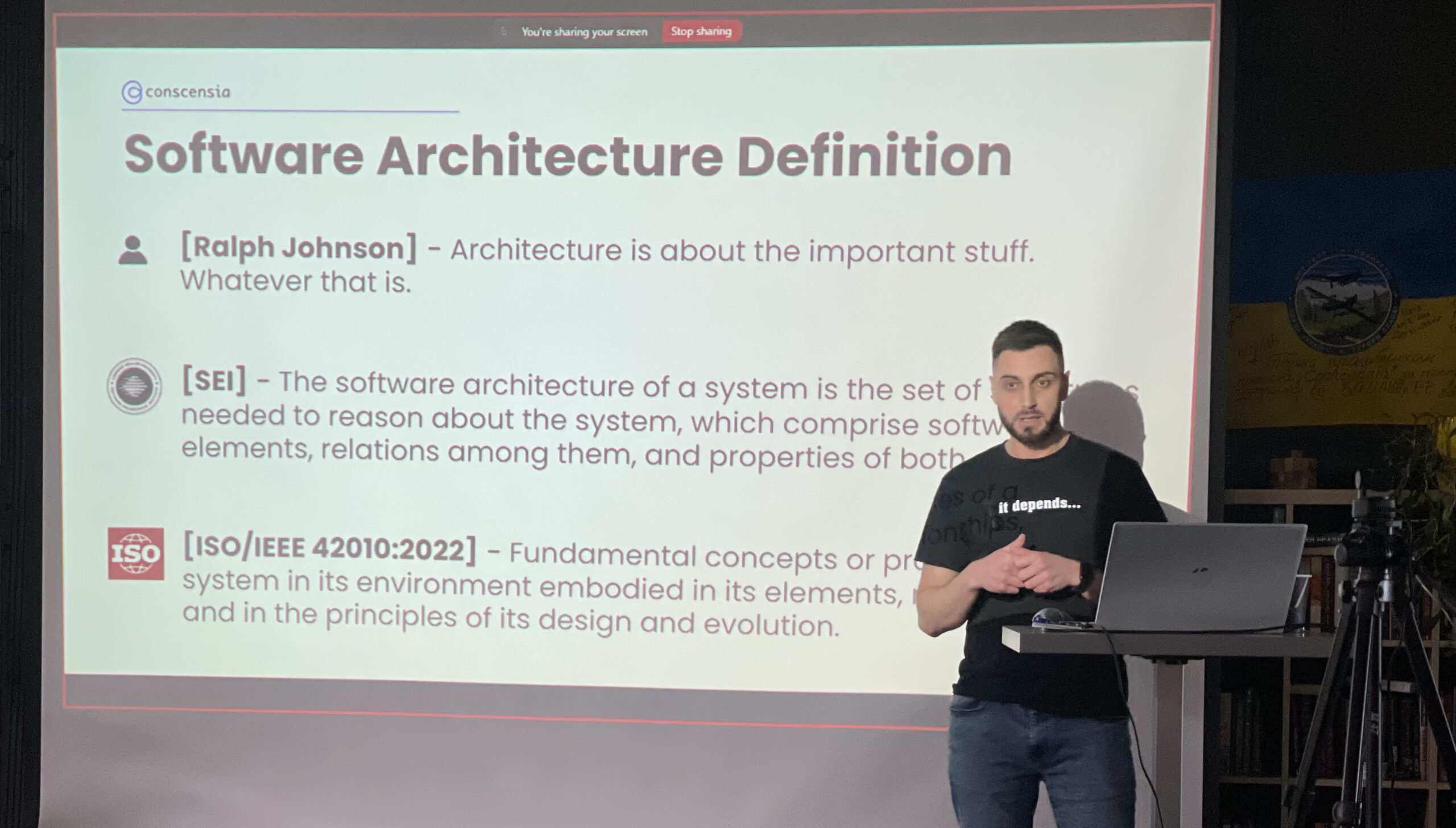
At Conscensia, we believe in continuous learning — not only from external resources, but also from each other. Our people bring diverse experiences and expertise, and we love creating space for that knowledge to be shared.
Recently, one of our colleagues, Roman, held an internal knowledge-sharing session on a topic many developers are curious about: how to make the move into a software architect role. Having navigated the path from developer to architect himself, Roman offered practical, real-world advice on what the role really involves, what skills it takes, and how to prepare for such a transition.

“The transition to an architect is a shift from the tactical to the strategic. It’s not just about how to build something with technology, but what to build, why, and when” — Roman Marusyk
What does a software architect actually do?
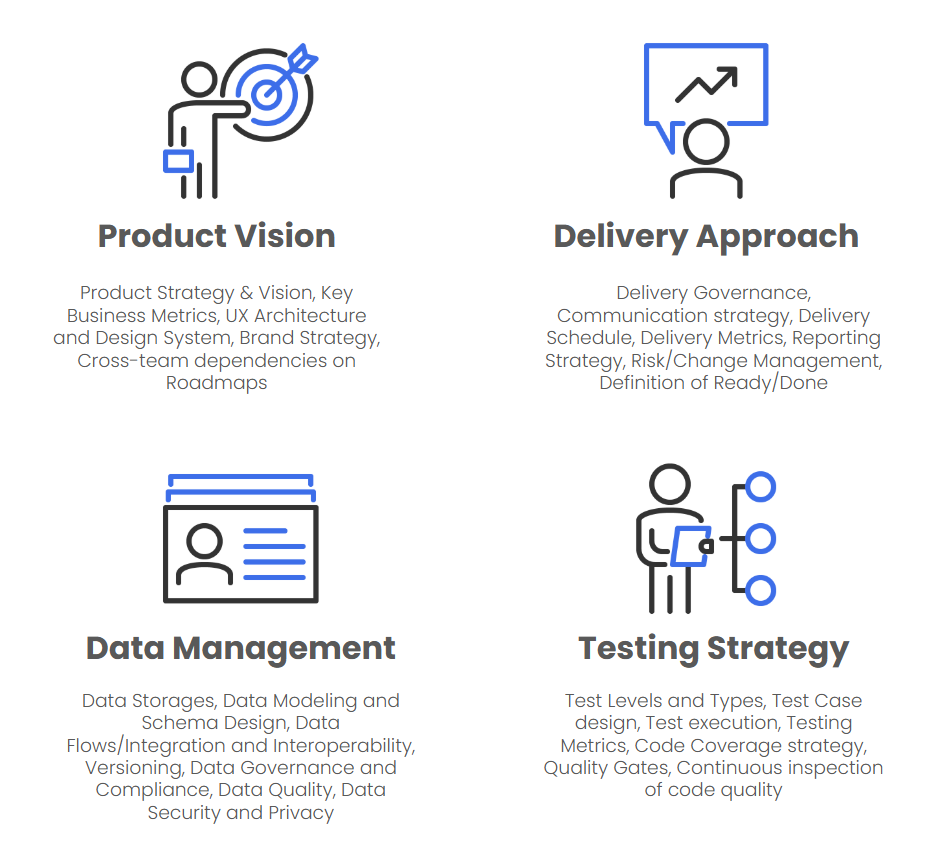
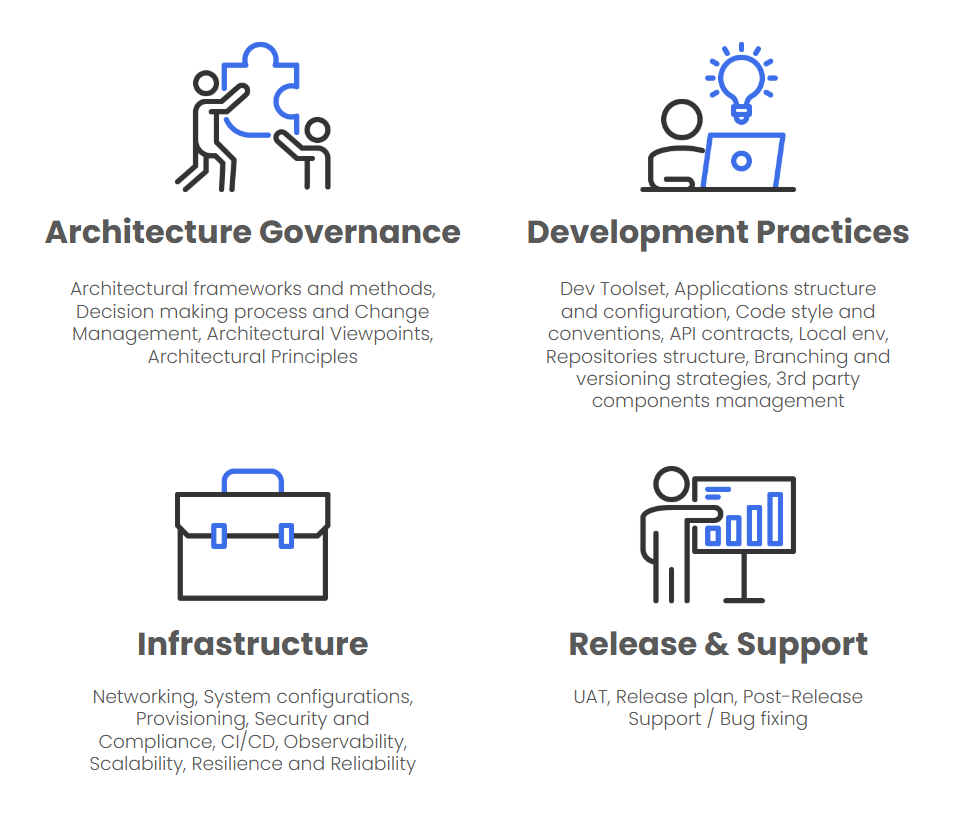
When people think of software architecture, they often imagine diagrams. Diagrams are part of the picture, but architecture is much more than that — it’s about making decisions, setting principles, managing constraints, and working with business. Everything in software architecture is a trade-off, and there are no perfect solutions. The right architecture is always chosen based on a specific context and requirements, making it the kind of challenge where you often can’t just ‘Google the answer’.
While every company may define this differently, the core expectation is, of course, to create and maintain an evolutionary architecture. The involvement of an architect depends on the context of the project.
The mindset shift from developer to architect
Moving from developer to architect isn’t just a promotion — it’s a shift in how you think and work. Roman highlighted three big changes:
- From “How” to “Why”: The focus shifts from the tactical “how” of implementation to the strategic “why” that drives business goals
- From “The Perfect Solution” to “The Best Trade-off”: A developer may seek a perfect technical solution, but an architect knows everything is a trade-off. The goal is to find the “least worst design” by balancing competing quality attributes
- From Technical Depth to Technical Breadth: Instead of deep expertise in one stack, an architect must cultivate broad technical knowledge to make informed decisions across various technologies and platforms
Skills you need to develop
According to Roman, the move into architecture requires both technical breadth and soft skills.
Technical skills:
- Systems thinking: seeing how components interact
- Architectural decision-making: evaluating trade-offs
- Staying current: broad knowledge of frameworks, platforms, and trends
Soft skills:
- Communication: translating between business and technical language
- Leadership: guiding without dictating
- Stakeholder management: balancing competing priorities
One tip from Roman that everyone can apply right away is the 20-minute rule:
Spend 20 minutes a day learning something outside your current expertise — it compounds faster than you think.
Common pitfalls when stepping into the role
In his session, Roman described three types of architects he’s seen in real life:
- The Control-Freak Architect – micromanages everything, slowing the team down
- The Ivory Tower Architect – believes that drawing a few diagrams is enough, doesn’t hear feedback on their decisions, and stays disconnected from the reality of the codebase
- The Effective Architect – trusts the team, stays aware of what’s happening, and provides guidance where it matters most
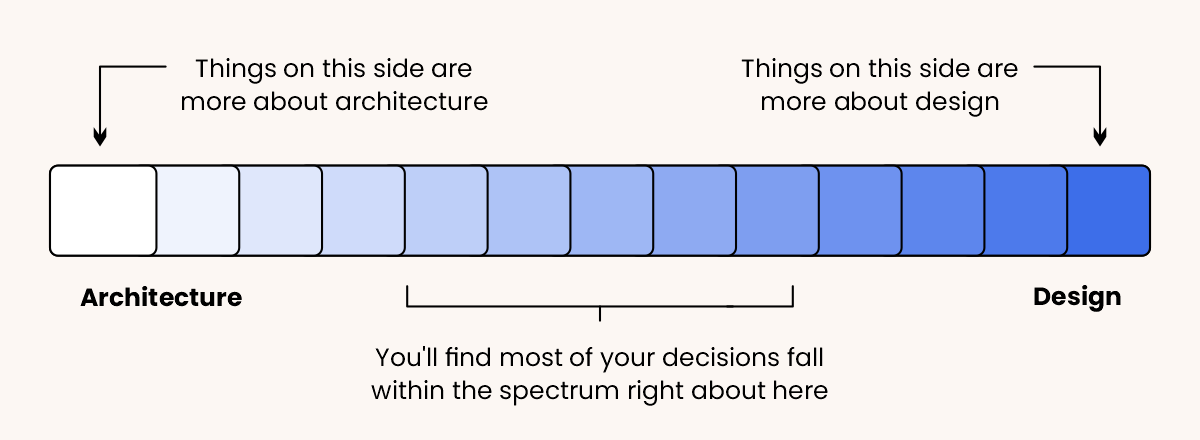
The sweet spot? Be involved enough to make informed architectural decisions, but delegate detailed design choices to the team.
Should architects still code?
Roman believes the answer is yes — but in a smart way. Architects can stay hands-on by:
- Building prototypes and proofs of concept
- Picking small, non-critical coding tasks or bugs
- Writing automation scripts to improve CI/CD, documentation, and other operation-level tasks
- Writing fitness functions to validate architectural metrics and goals
- Doing code reviews to ensure architectural principles are followed
This keeps architects connected to the reality of the codebase without becoming a bottleneck.
Advice for aspiring architects
Roman closed his session with a few practical tips for developers aiming to move into architecture:
- Understand the “why” behind the system — know the business drivers, not just the technology
- Ask questions about trade-offs — there is no perfect solution, only the best choice for the context
- Expand your breadth — get familiar with different technologies, even if you don’t master them
- Improve your communication — the role is as much about people as it is about code
- Look for opportunities to lead — volunteer to mentor, run design discussions, or document architectural decisions
“An architect is like an elevator in a skyscraper — moving between the top floors where business leaders talk about ROI, and the lower floors where developers talk about latency and microservices. You need to understand both worlds and keep them connected.” — Gregor Hohpe
Explore our current vacancies and become part of a community where innovation and collaboration drive everything we do.